
Field Guide to Birds of North America: An Article Plan
This comprehensive plan details resources for identifying North American birds, including detailed plumage guides, sonograms, range maps, and ABA listing considerations for birders․
Birdwatching, a rapidly growing pastime, captivates millions with nature’s beauty․ North America boasts incredible avian diversity, from vibrant warblers to majestic raptors, making identification crucial․ A solid foundation begins with understanding basic bird families – passerines, waterfowl, and raptors – and recognizing migration patterns․
Successful birding relies on keen observation, habitat awareness, and utilizing reliable resources like field guides․ These guides are essential tools, empowering enthusiasts to confidently name and appreciate the birds around them, fostering a deeper connection with the natural world;
The Importance of a Field Guide
A field guide is paramount for accurate bird identification, moving beyond simple observation to informed recognition․ These guides provide detailed species accounts, crucial for distinguishing similar birds, especially concerning plumage variations across ages and sexes․
Range maps pinpoint likely species locations, while sonograms aid in song recognition – a vital skill․ For serious birders, especially banders, a comprehensive guide like Pyle’s is indispensable, offering aging and sexing criteria for precise study and documentation․

Key Features of a Comprehensive Field Guide
Essential elements include extensive species coverage, ideally encompassing all of North America in a single volume, featuring over 800 species and 600 detailed range maps․ High-quality illustrations, like those by Arthur Singer, showcasing varied plumages are critical․
Furthermore, sonograms for song identification, migration route details, and feeding habit descriptions elevate a guide’s utility․ Convenient checklists and color-coded tabs enhance usability for dedicated birdwatchers․
Species Coverage and Range Maps
A truly comprehensive field guide must cover all of North America, detailing over 800 species, including both native birds and vagrant visitors recognized by the American Birding Association (ABA)․ Accurate and detailed range maps are paramount, illustrating each species’ distribution․
These maps should clearly depict breeding, wintering, and migratory ranges, aiding in quick identification based on geographic location․ Complete species accounts are vital for effective birding․
Plumage Variations and Identification
Accurate identification hinges on understanding plumage variations, encompassing male, female, and juvenile appearances․ Detailed descriptions and illustrations, like those by Arthur Singer, are crucial for distinguishing subtle differences․ Guides should cover all plumages, including breeding and non-breeding variations․
Pyle’s guide meticulously details plumage, molt strategies, and timing, essential for banders and serious birders․ Recognizing these nuances is key to confident identification․
Song Recognition and Sonograms
Bird songs are vital identification tools, often preceding visual confirmation․ Comprehensive field guides incorporate sonograms – visual representations of sound – aiding in song recognition․ These “pictures of sound” allow birders to learn and compare vocalizations effectively․
Peterson Field Guides notably include sonograms, enhancing identification skills․ Mastering bird songs expands identification capabilities beyond visual cues, especially useful for obscured birds․
Top Field Guides Currently Available

Several field guides stand out for North American bird identification․ Peterson Field Guide to Birds of Eastern & Central North America remains a classic, offering detailed illustrations and range maps․ For advanced users, Pyle’s Guide to Identification, Aging, and Sexing Birds is invaluable․
Pyle’s guide, favored by banders, provides meticulous detail on plumage variations and aging criteria, a truly comprehensive resource for serious birders․
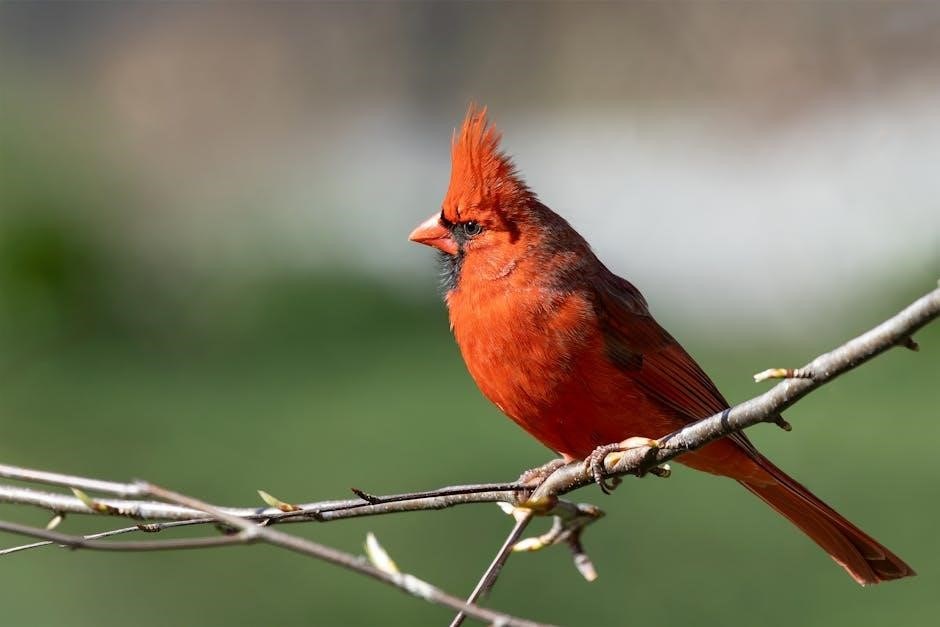
Peterson Field Guide to Birds of Eastern & Central North America
This essential guide, now in its seventh edition, is renowned for Arthur Singer’s distinctive illustrations depicting male, female, and juvenile plumages․ It covers over 800 species across North America, featuring 600 detailed range maps for accurate location data․
Furthermore, it includes sonograms aiding song recognition, migration routes, and feeding habits – a truly invaluable resource for birdwatchers of all levels․
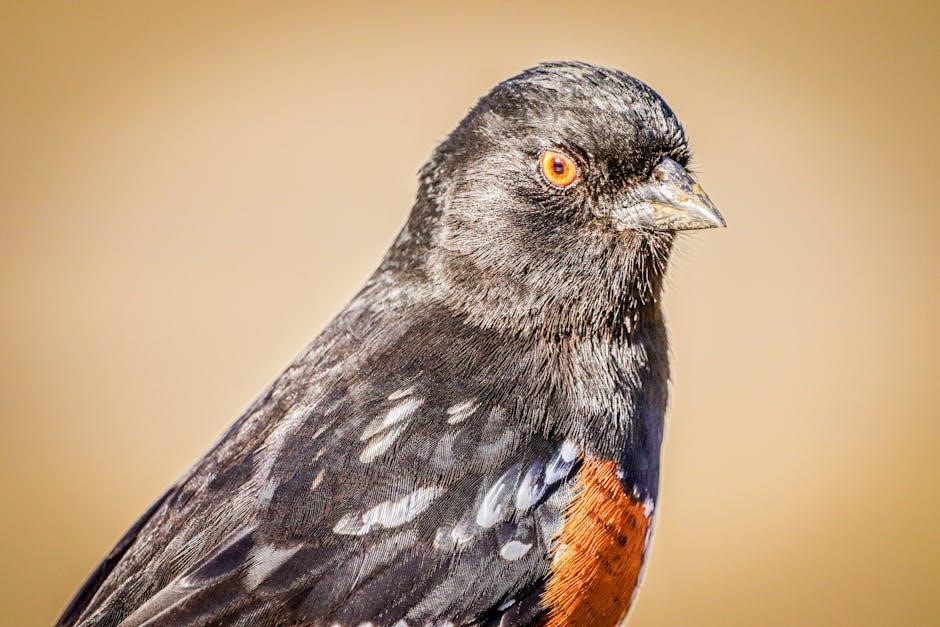
Pyle’s Guide to Identification, Aging, and Sexing Birds
Peter Pyle’s guide, a cornerstone for banders, meticulously details species accounts for all North American passerines and near-passerines․ The second edition, published in 2022, boasts hundreds of new, full-color photographs, enhancing identification accuracy․
It comprehensively covers plumages, molt strategies, timing, and crucial criteria for aging and sexing birds in the hand, making it an indispensable resource for professionals and dedicated enthusiasts․
Understanding Bird Identification Basics
Successful bird identification relies on a systematic approach․ Focusing on key field marks – distinctive features like wing bars or eye rings – is paramount․ Observing habitat and behavioral clues, such as foraging techniques or flight patterns, provides crucial context․
Combining these observations with plumage details and, importantly, song recognition, significantly increases accuracy․ Careful note-taking and comparison with field guide illustrations are essential skills․
Focusing on Key Field Marks
Identifying key field marks is fundamental to accurate birding․ These distinctive features – color patches, wing bars, eye stripes, bill shape – quickly narrow down possibilities․ Detailed field guides, like Pyle’s, meticulously describe plumage variations across ages and sexes․
Carefully noting these marks, alongside size and shape, is crucial․ Remember to observe in good light and compare with illustrations, focusing on consistent characteristics for reliable identification․

Habitat and Behavioral Clues
Bird habitats significantly influence species presence․ Forests host different birds than grasslands or wetlands․ Observing foraging behavior – how a bird feeds – provides vital clues․ Is it gleaning insects, probing mud, or soaring overhead?
Combining habitat knowledge with behavioral observations, alongside plumage details from a field guide, dramatically improves identification accuracy․ Consider the bird’s surroundings and actions for a holistic approach․
Common Bird Families of North America
North America boasts diverse bird families․ Passerines, or perching birds, comprise a vast majority, exhibiting varied plumages and songs․ Waterfowl – ducks, geese, and swans – are readily identifiable by habitat and flight patterns․
Raptors, including hawks, eagles, and owls, showcase powerful builds and hunting techniques․ Understanding these family characteristics, alongside field guide details, streamlines identification efforts for birdwatchers․
Passerines (Perching Birds)
Passerines represent the largest bird order in North America, demanding careful field guide use for identification․ Pyle’s Guide meticulously details passerine plumages, molt strategies, and aging criteria – crucial for accurate assessment․
Variations within species, including juvenile and female forms, necessitate attention to key field marks․ Recognizing subtle differences in song and behavior further refines identification of these abundant and diverse birds․
Waterfowl (Ducks, Geese, Swans)
Identifying waterfowl often relies on plumage details and habitat, as many species exhibit seasonal variations․ A comprehensive field guide, like Peterson’s, showcases male, female, and juvenile plumages alongside detailed range maps․
Understanding migration routes and recognizing characteristic flight patterns aids identification․ Sonograms can assist with differentiating calls, while noting feeding habits provides additional clues for accurate species determination in wetland environments․
Raptors (Hawks, Eagles, Owls)
Raptor identification demands attention to subtle plumage variations, size, and flight silhouettes; A quality field guide, such as Pyle’s, details aging and sexing criteria crucial for accurate identification in the field․
Habitat and behavioral clues – hunting techniques, perch selection – are vital․ Recognizing characteristic flight patterns and vocalizations, aided by sonograms, further refines identification skills for these majestic birds of prey․
Migration Patterns in North America
North American bird migration is a complex phenomenon, with established north-south routes influenced by seasonal changes and food availability․ Field guides illustrate these routes, detailing the timing of arrival and departure for various species․
Understanding seasonal variation in plumage – breeding versus non-breeding – is crucial for identification during migration․ Observing peak migration times, as noted in comprehensive guides, enhances birdwatching opportunities and data collection․

North-South Migration Routes
Major North American flyways – Atlantic, Mississippi, Central, and Pacific – dictate the primary routes for migrating birds․ Field guides visually represent these flyways, showcasing concentrated areas of bird passage․ Recognizing these routes aids in predicting species presence based on location and time of year․
Guides detail how environmental cues and inherited instincts guide birds along these established paths, ensuring successful breeding and wintering grounds access․
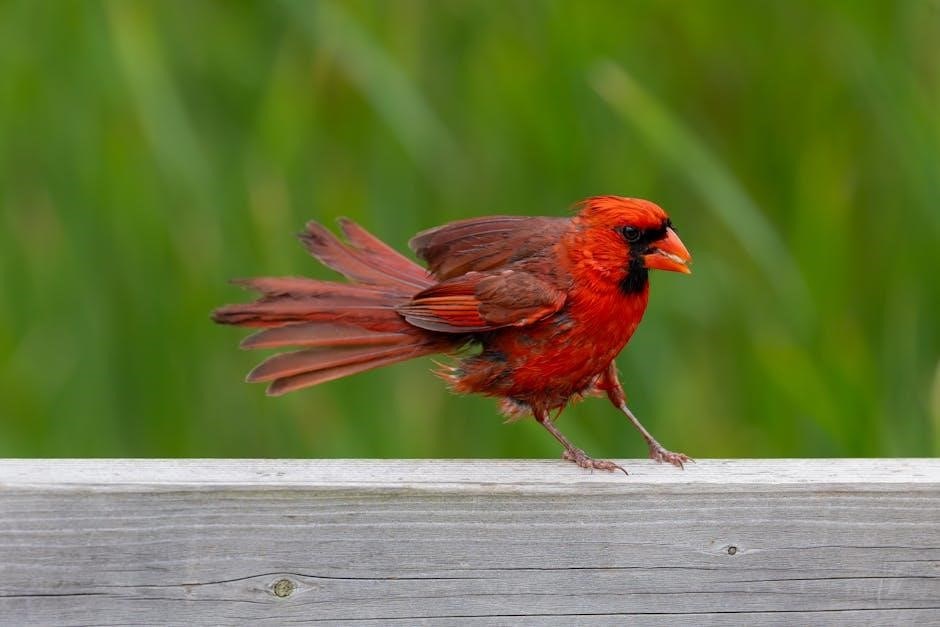
Timing of Migration and Seasonal Variation
Field guides illustrate the staggered timing of migration, differing by species, age, and even individual condition․ Spring migration generally occurs earlier for species breeding further north, while fall migration is influenced by decreasing daylight and food availability․
Seasonal variation in plumage, detailed within guides, is crucial for identification during migration․ Understanding these shifts helps birders accurately identify species throughout the year․
Bird Habitats Across North America
Comprehensive field guides emphasize habitat preferences, vital for narrowing identification possibilities․ Forests and woodlands host diverse species, while grasslands and prairies support ground-nesting birds․
Wetlands and coastal areas are critical for waterfowl and shorebirds․ Guides detail how specific plumage and behaviors correlate with these habitats, aiding accurate identification․ Recognizing habitat associations is a cornerstone of effective birding․
Forests and Woodlands
North American forests and woodlands present diverse avian communities․ Field guides detail species inhabiting coniferous, deciduous, and mixed forests, noting vertical stratification – birds occupying different canopy layers․
Identification relies on understanding forest-specific plumage adaptations and vocalizations․ Guides highlight key species like warblers, woodpeckers, and thrushes, detailing habitat preferences within these complex ecosystems․ Recognizing forest type is crucial for accurate bird identification․
Grasslands and Prairies
North American grasslands and prairies host specialized birdlife․ Field guides emphasize identifying birds adapted to open landscapes, focusing on subtle plumage differences crucial for species recognition in uniform habitats․
Key species include meadowlarks, sparrows, and raptors like hawks utilizing open hunting grounds․ Guides detail behavioral cues – foraging styles and flight patterns – aiding identification․ Understanding seasonal variations in grassland bird distribution is also vital for accurate field work․
Wetlands and Coastal Areas
Coastal and wetland habitats present unique birding challenges․ Field guides highlight identifying shorebirds, wading birds, and waterfowl, often requiring attention to leg color, bill shape, and subtle plumage variations․
Guides emphasize recognizing species-specific foraging behaviors in mudflats and marshes․ Tidal fluctuations and seasonal migrations significantly impact bird distribution, demanding updated range maps․ Sonograms are crucial for identifying vocalizations in noisy coastal environments, aiding accurate species determination․
Using Technology for Bird Identification
Modern birding increasingly relies on digital tools․ Bird identification apps, leveraging image and sound recognition, offer instant suggestions, complementing traditional field guides․ Online databases, like the Cornell Lab of Ornithology’s All About Birds, provide detailed species accounts, range maps, and vocalization recordings․
These resources enhance identification accuracy, especially for challenging species․ Citizen science initiatives, facilitated by technology, contribute valuable data for conservation efforts and tracking migration patterns․
Bird Identification Apps
Numerous smartphone applications assist birders in the field․ These apps often utilize image recognition – users upload a photo, and the app suggests potential matches․ Sound identification features analyze bird songs and calls, aiding in species determination․ Merlin Bird ID, from Cornell, is a popular, free option․
Other apps offer range maps, detailed species information, and personal birding lists, streamlining the identification process and enhancing the overall birding experience․
Online Bird Databases and Resources
Several websites provide extensive bird information and identification tools․ The Cornell Lab of Ornithology’s All About Birds is a premier resource, offering detailed species accounts, audio recordings, and range maps․ eBird allows users to record sightings, contributing to citizen science and providing valuable distribution data․
The Audubon Society’s website also features comprehensive bird guides and conservation information, supporting bird identification and awareness․
The Role of the American Birding Association (ABA)
The ABA plays a crucial role in defining and promoting ethical birding practices․ They maintain a comprehensive checklist of North American birds, including native species and accepted vagrants, influencing identification standards․ The ABA emphasizes responsible observation, minimizing disturbance to birds and their habitats․
Adhering to ABA guidelines fosters a respectful and sustainable birding community, supporting conservation efforts and accurate record-keeping․

ABA Checklist and Birding Ethics
The ABA Checklist serves as the authoritative list of bird species accepted for inclusion in North American birding records․ It’s regularly updated, reflecting taxonomic changes and accepted sightings of vagrant species․
Ethical birding, as promoted by the ABA, prioritizes bird welfare; avoiding nest disturbance, minimizing habitat disruption, and refraining from chasing stressed birds․ Responsible birding ensures long-term conservation․
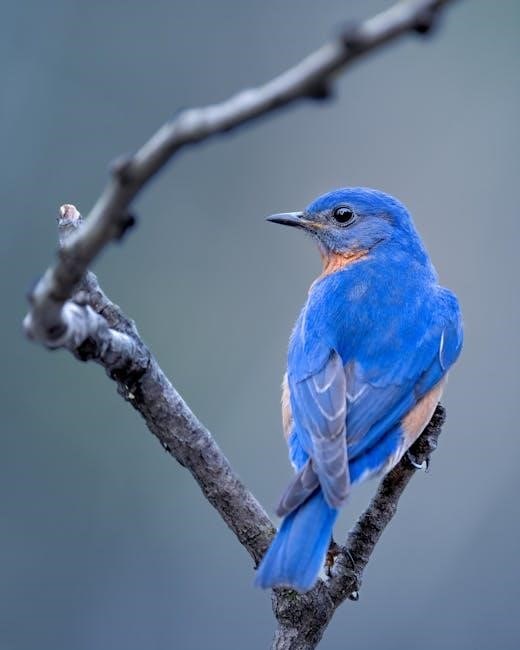
Conservation Status of North American Birds
Numerous North American bird species face escalating threats, ranging from habitat loss and degradation to climate change and pesticide use․ Identifying these vulnerable populations is crucial for targeted conservation efforts․
Several species are currently listed as threatened or endangered, requiring focused protection․ Habitat preservation, responsible land management, and mitigating human impacts are vital for ensuring the long-term survival of these avian populations․
Threatened and Endangered Species
Several North American bird species are facing significant population declines, leading to their classification as threatened or endangered․ These classifications trigger specific protective measures under various conservation acts․
Examples include the California Condor, Red Knot, and Kirtland’s Warbler, each facing unique challenges like lead poisoning, habitat loss, and specialized breeding requirements․ Monitoring population trends and implementing recovery plans are essential for preventing further declines and potential extinctions․
Habitat Loss and Conservation Efforts
Habitat loss represents a primary threat to North American bird populations, driven by urbanization, agriculture, and deforestation․ Wetlands, grasslands, and forests – crucial bird habitats – are diminishing at alarming rates, impacting breeding and foraging success․
Conservation efforts include habitat restoration projects, protected area establishment, and sustainable land management practices․ Organizations like the ABA and local societies actively promote bird-friendly initiatives to mitigate these losses and ensure long-term species survival․
Resources for Further Learning
Numerous ornithological societies and organizations offer invaluable resources for expanding birding knowledge․ The American Birding Association (ABA) provides checklists, ethical guidelines, and networking opportunities; Cornell Lab of Ornithology and Audubon Society offer extensive online databases, courses, and citizen science projects․
Recommended books include Pyle’s guide for detailed identification and Peterson Field Guides for regional coverage․ Websites like All About Birds and eBird provide species accounts, range maps, and real-time sighting data․
Ornithological Societies and Organizations
Several organizations actively support birding and conservation efforts across North America․ The American Birding Association (ABA) is central, maintaining lists and promoting ethical birding practices․ Cornell Lab of Ornithology offers research, education, and citizen science initiatives like eBird․
Audubon Society champions bird conservation through advocacy and habitat preservation․ Local bird clubs provide field trips, workshops, and community engagement opportunities for bird enthusiasts of all levels․
Recommended Books and Websites
For detailed identification, Peter Pyle’s Identification Guide to North American Birds (Part I) is invaluable, especially for banders needing aging and sexing criteria․ The Peterson Field Guide to Birds of Eastern & Central North America remains a classic․
Online, explore the Cornell Lab of Ornithology’s All About Birds website and eBird for species information and distribution maps․ The ABA website offers resources and ethical guidelines for birders․